-
Breastfeeding
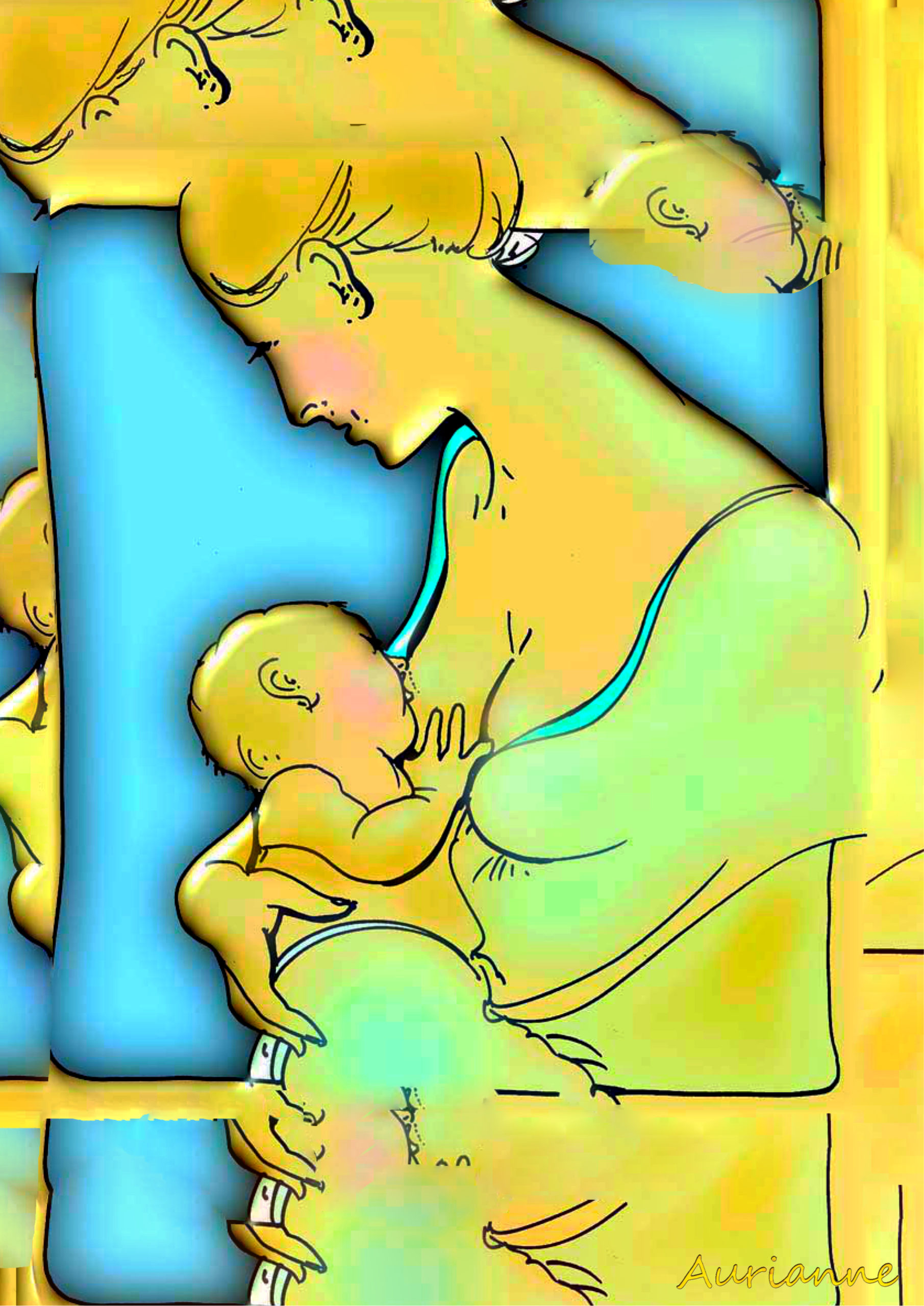
Skin to skin,Mouth to breast,You breathe lifewith your nourishing milk. A serene and straightforward headmakes you perpetuatethis gesture through the agesand civilizations. Listening to nature,you reject artificial milksdevoid of hormones andgood bacteriathat populate a baby’s intestinal flora.Factory-sterilized,they make babies more fragile,and promote allergies. Maternal love,the joy of being fed,This precious bondmust be preserved. You can…
-
Free public transport
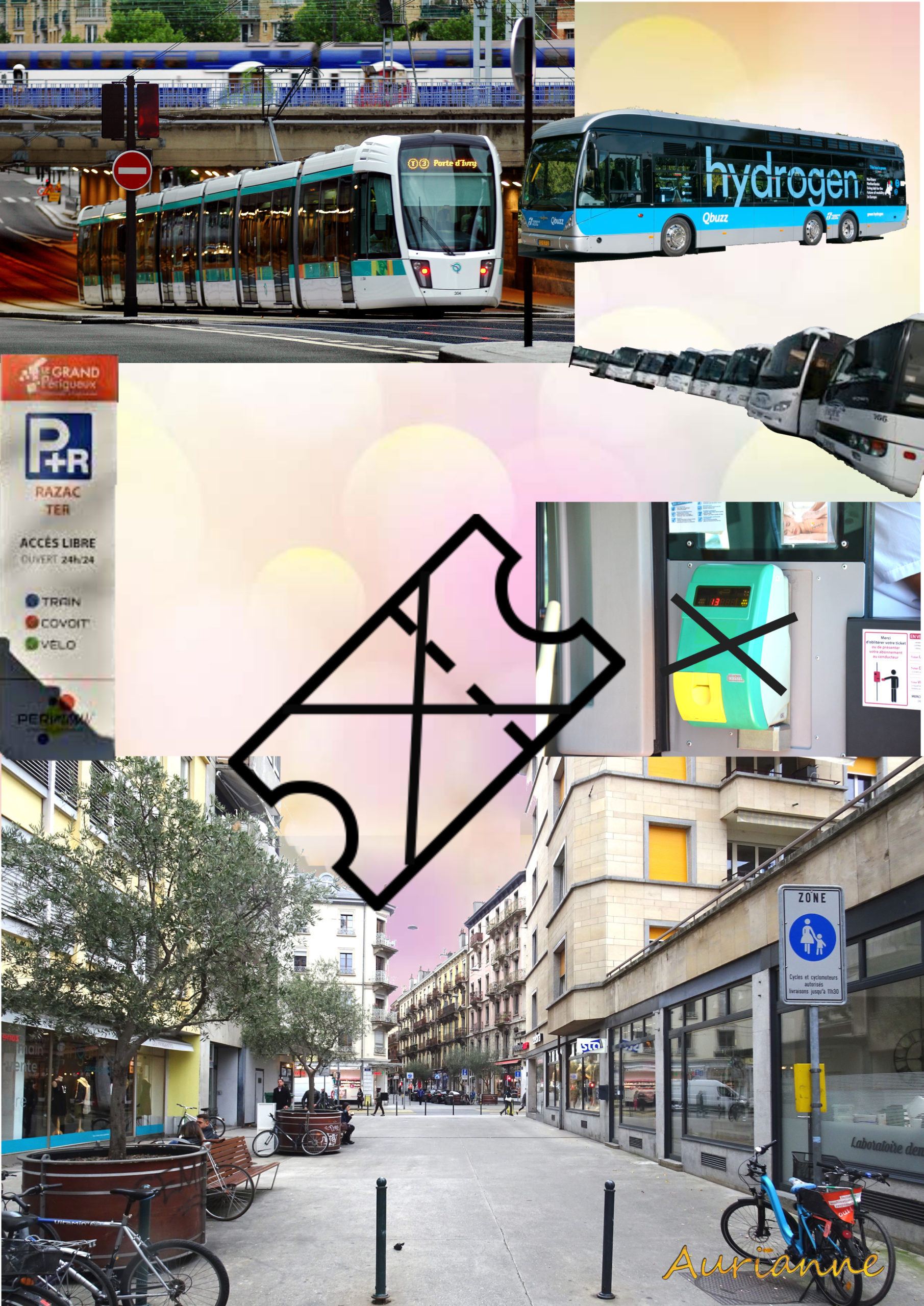
Free public transport can be a way of getting more people to use it, and of developing it further. This enables us to fight pollution, limit road infrastructure, limit the use of cars and thus ease traffic congestion, give greater independence to young people, the elderly and others who can’t get around by car, and…
-
Representation of capitalism trying to take all the resources and trying to make workers live nothing but work

-
My electronic device is slowing down and my power consumption is increasing
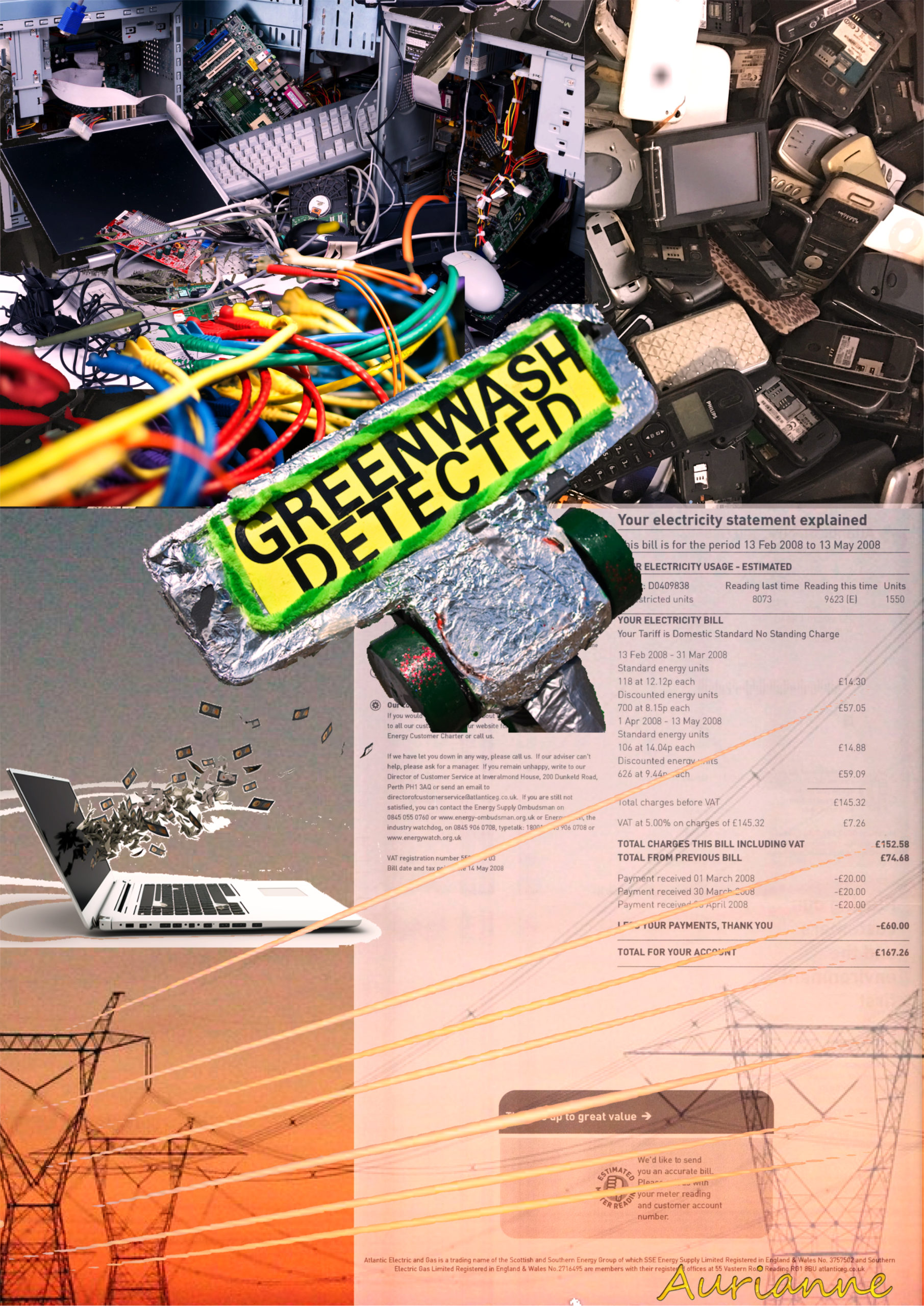
No, your devices (phone, tablet, computer) are not less efficient. They just have more work to do and as a result are slower and consume more power. They don’t provide you with any more services. Twenty years ago, you could already watch videos, make calls, look at classified ads and consult the press online. There’s…
-
EU-Mercosur
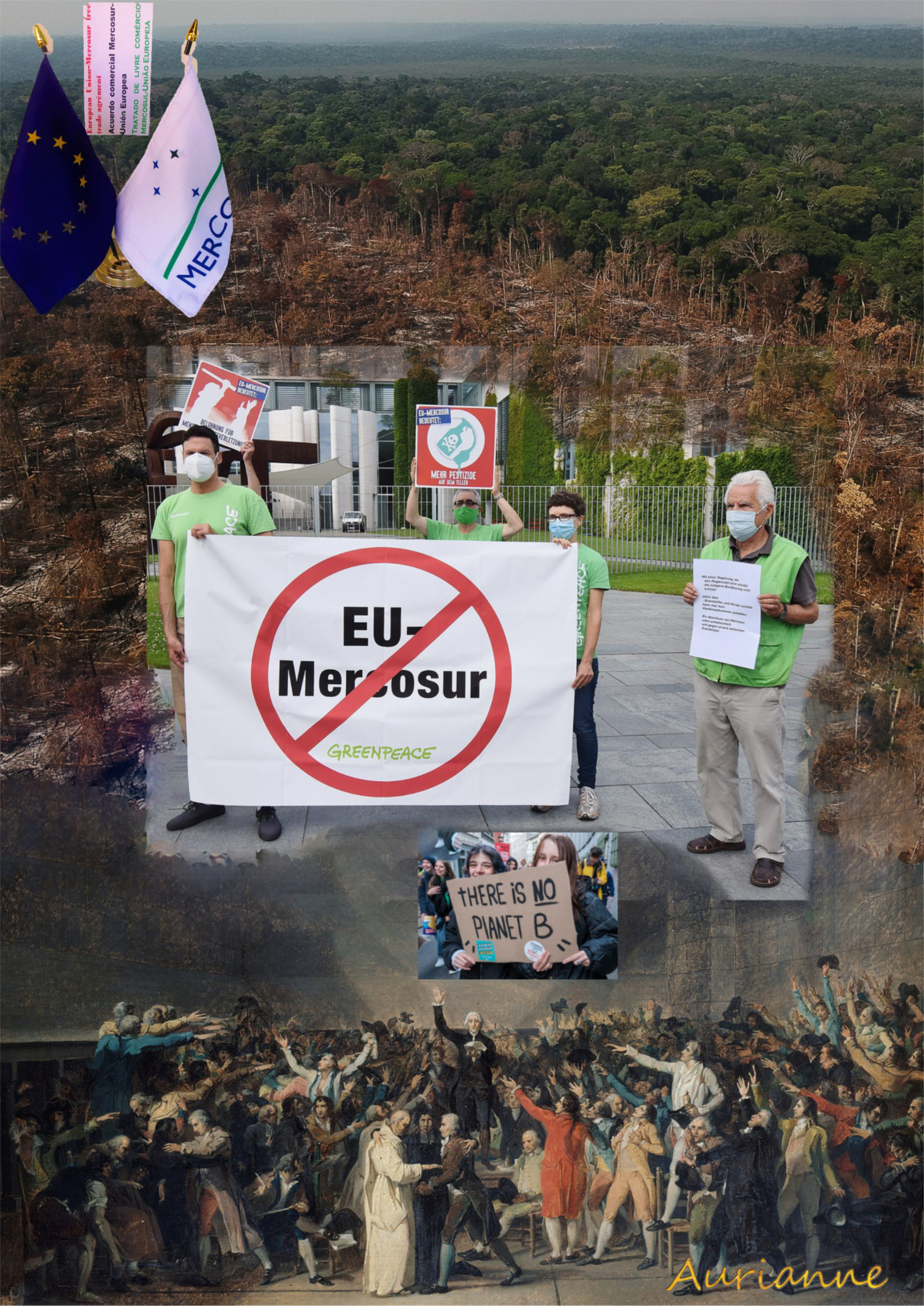
Under the EU-Mercosur agreement, goods circulate freely without controls or taxes. There is a health risk for consumers in Europe. We will be creating production conditions that are deplorable in social, human health, animal welfare and environmental terms. For example, 27% of the pesticides used by Brazilian farmers are banned in Europe. Many companies in…
-
Housing
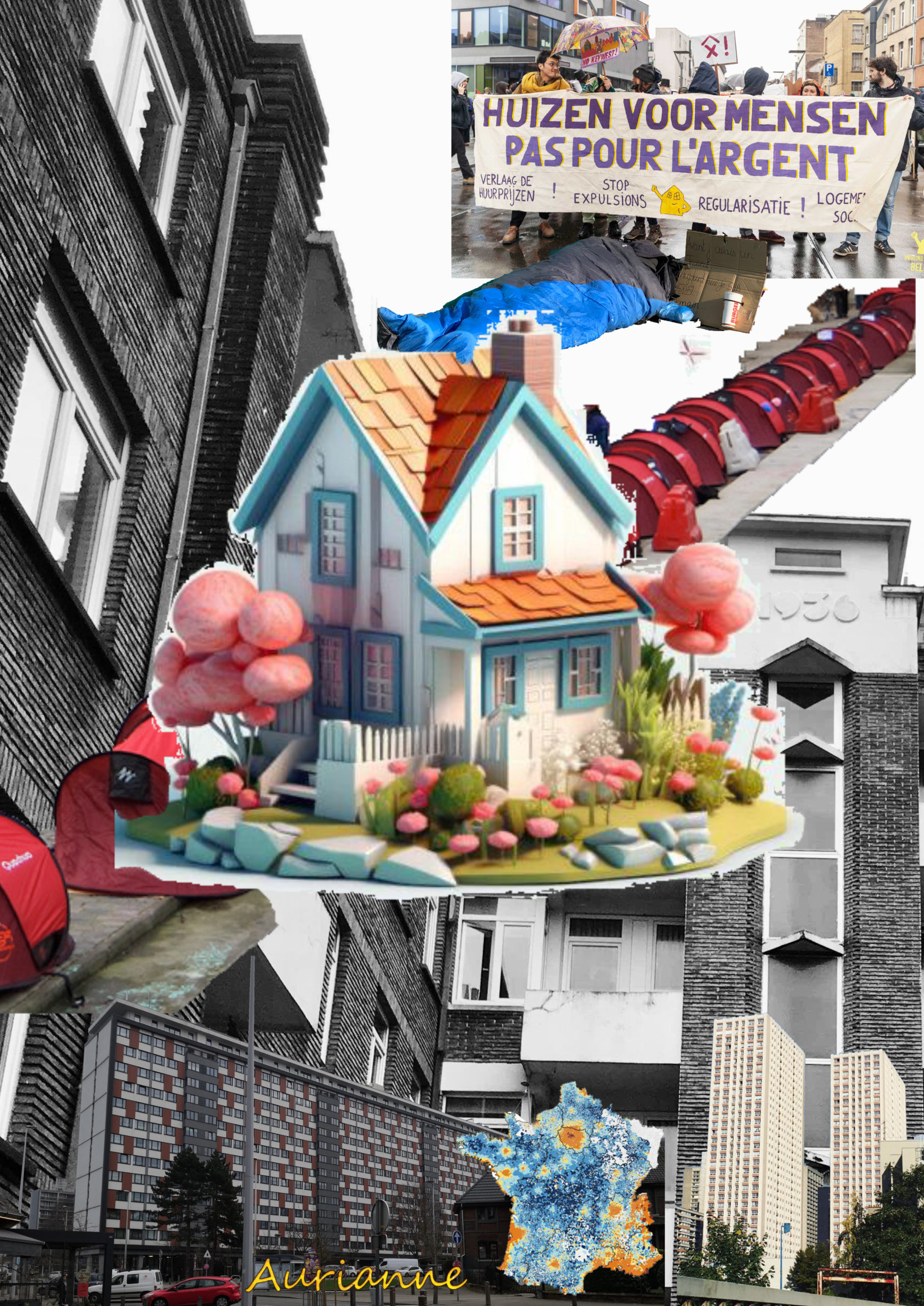
Why is housing so expensive, whether to buy or rent? Why are people forced to pay when “the right to housing is a human right.” With limited financial means, it’s hard to find affordable, good-quality housing. ((Le droit au logement est un droit humain– Human Rights: https://www.humanrights.ch/fr/nouvelles/droit-humain-logement) In the cities, prices have skyrocketed. They have…
-
Cut out the middleman
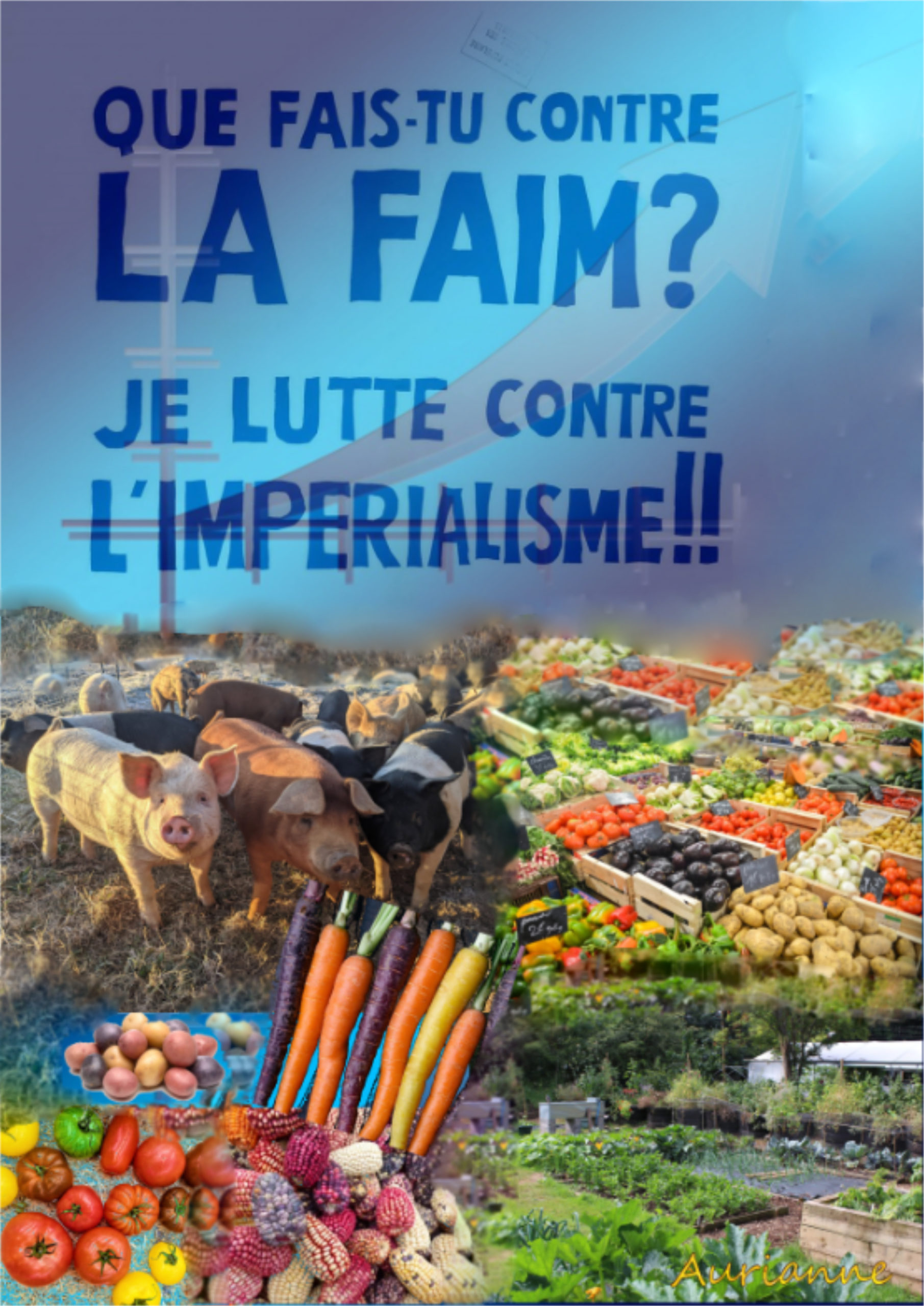
Four traders, suppliers of raw materials supply 90% of food for humans and livestock: Cargill, ADM, Louis Dreyfus Commodities and Bunge. They supply cereals, cocoa, cotton, oil, eggs, flour, meat, peanuts, rubber, salt, wool, chemicals and vitamins. The biggest of these, CARGILL, is the largest private company in the United States and controls a quarter…
-
Organic mass production has no future
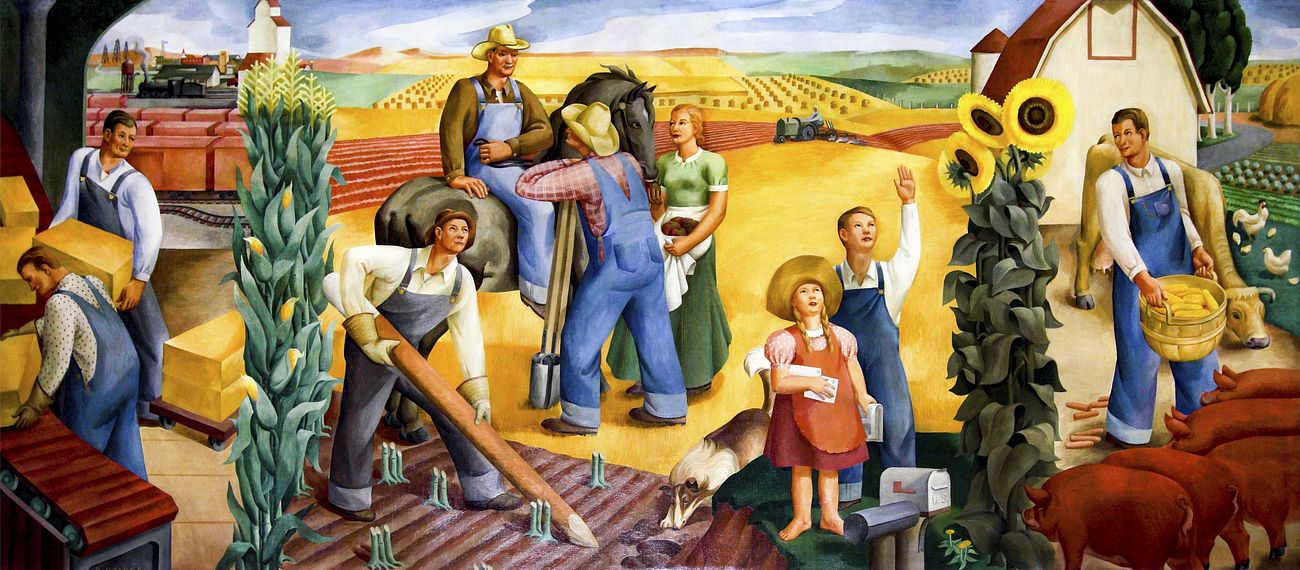
Over the last three years, Europe has seen crop failures due to drought and invasive species. Farmers can’t beat the price of grain from Ukraine, which is in desperate straits. One hectare of arable land disappears every second in the world, and soil is a non-renewable resource. La disparition des terres agricoles – planetoscope: https://www.planetoscope.com/sols/1175-disparition-de-surfaces-agricoles-dans-le-monde.html…
-
How can we win back trust?
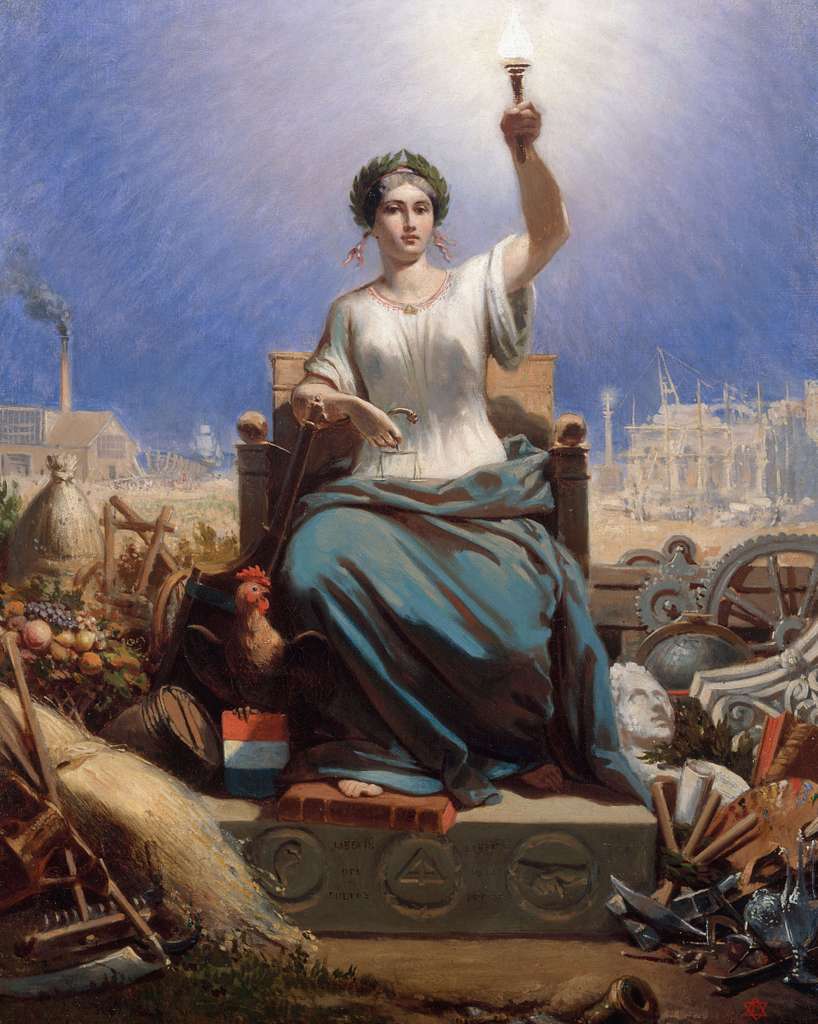
Today, the far right in Europe and in the United States is only gaining ground. But is attacking immigrants, as the police are doing, a solution to the security problems we face? What can we do about the rise of jihadism in particular? Jihadism feeds on the exclusion advocated by the extreme right and applied…
-
Zero emission transport
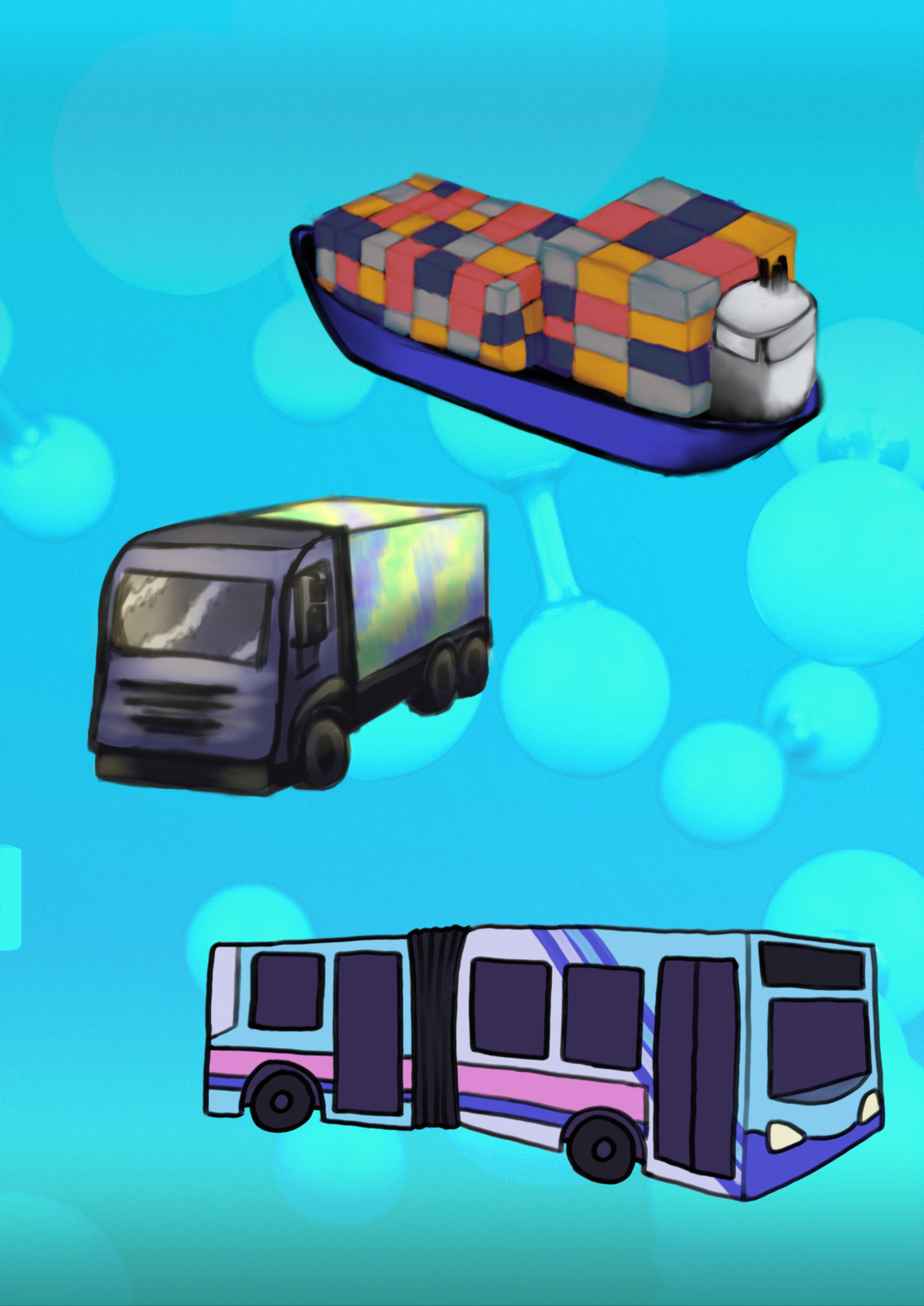
Producing hydrogen by electrolysis of water using various primary sources of carbon-free energy (wind, sun, water) could prove useful for trucks (which contribute 25% of CO2 emissions in the transport sector), public transport and boats. Unlike electric cars, which consume lithium, the use of which is harmful to the environment, hydrogen produced by electrolysis of…