-
Poulet champi

Recette n°1 1. Couper 2 gros oignons en lamelles. Les faire revenir dans une poêle très chaude avec 2 cuillères à soupe d’huile d’olive. 2. Couper en dés 150g de poulet (blanc de poulet ou haut de cuisse, de préférence local, label rouge ou bio). Quand les oignons sont translucides, ajouter le poulet. 3. Quand…
-
Chicken or Pork nuggets
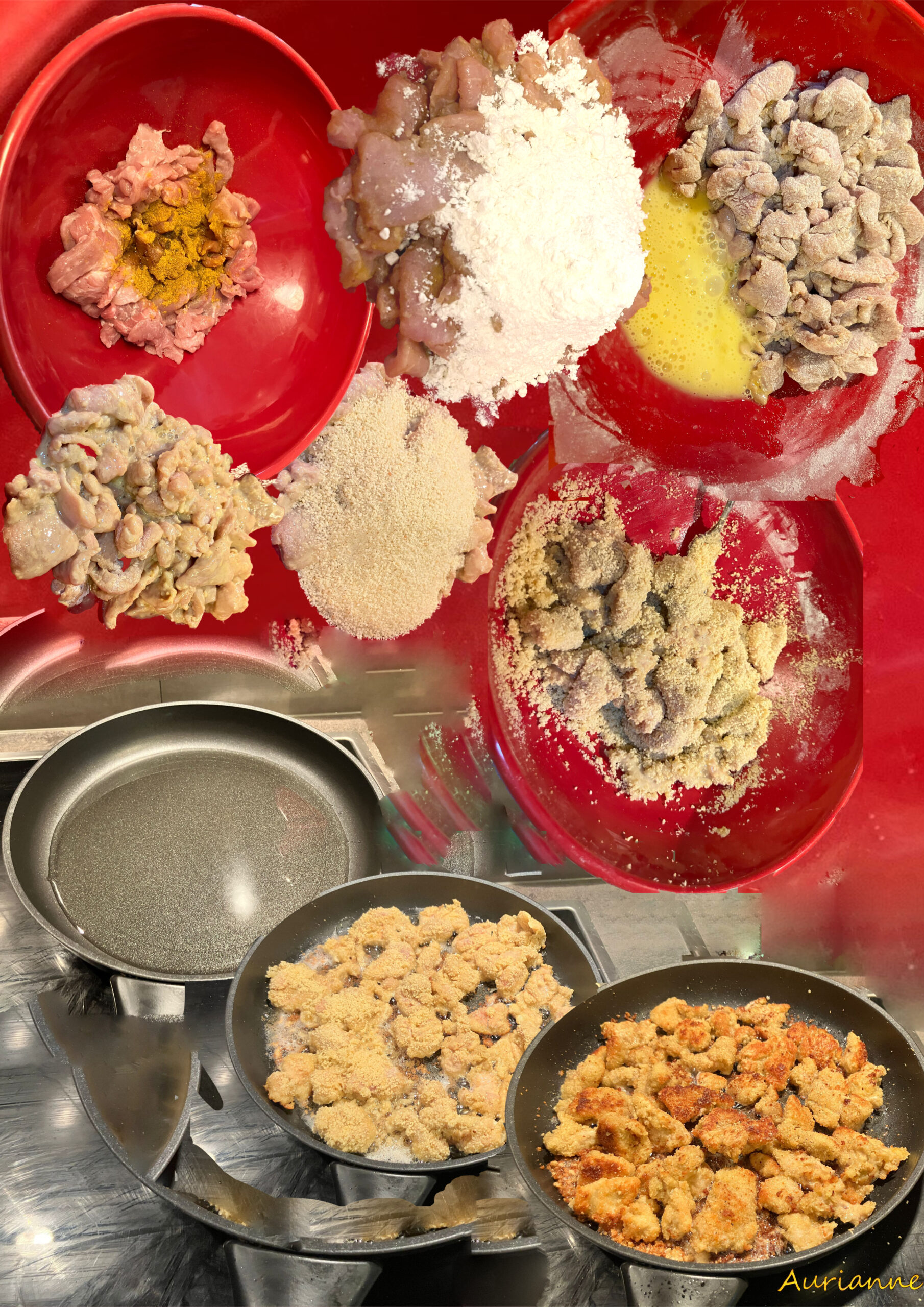
Don’t buy industrial nuggets. Make them yourself; it doesn’t take any longer than defrosting them, and it’s very simple. They are made with chickens fed type 2 corn. The meat is minced and mixed with flour made from the same corn and high fructose corn syrup (HFCS), which is also derived from corn. The breading…
-
Epinards aux pignons et à la crème fraîche
Cette recette est facile et rapide. N’achetez pas les épinards à la crème industriels surgelés. Quand on congèle, on perd la structure de la plante des épinards et ça les rend plus digestes donc ils vont délivrer plus de sucres et moins de fibres pour la flore intestinale. Beaucoup de vitamines sont perdues lors de…
-
Haricots verts au soja et au gingembre
Recette très facile à réaliser selon vos goûts. 1. Laver et équeuter 500g d’haricots verts frais. 2. Faire chauffer l’huile d’olive dans une poêle. Ajouter les haricots verts, entre 2 à 5 cuillères à soupe de sauce soja et du gingembre frais râpé en miettes. 3. Ajouter un demi verre d’eau. 4. Couvrir et laisser…
-
Nuggets de poulet ou de porc
N’achetez pas les nuggets industriels. Faîtes-les vous-même; ça ne prend pas plus de temps que d’en décongeler, c’est très simple. Ils sont faits avec des poulets nourris au maïs de type 2. La viande est hachée puis mélangée avec de la farine de ce même maïs et du sirop de fructose (HFCS) également issu du…
-
Riz cantonnais
Bien manger pour pas cher. 1. La veille, bien laver 500g de riz basmati. Le faire cuire 6 minutes dans 500g d’eau bouillante. Egoutter, rincer à l’eau froide et bien égoutter à nouveau. Mettre le riz dans un saladier et le mettre au réfrigérateur pour la nuit. 2.Le lendemain, tout découper à l’avance: 4 oignons…
-
Boeuf bourguignon

Le boeuf bourguignon est un plat qui n’est pas cher et c’est délicieux. Il utilise les pièces de boeuf les moins chères et des os. Elles sont pleines de collagène. Les protéines de collagène ont tendance à s’accrocher les unes aux autres. Quand on chauffe du collagène à à basse température pendant une longue période,…
-
C’est pas de la tarte!
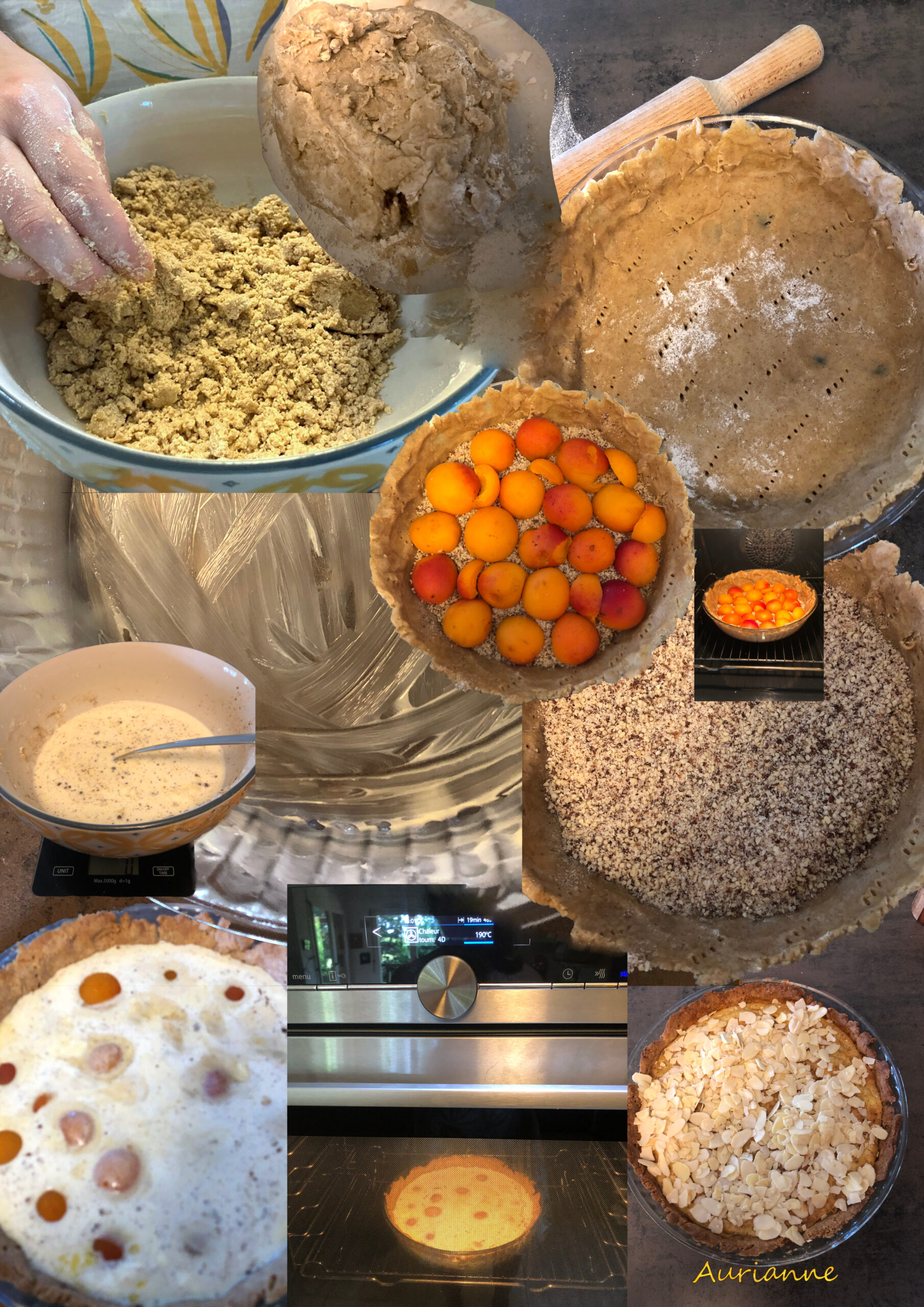
Used in colloquial language, “C’est pas de la tarte!” is a French expression that refers to something that is easy to do. A pie is an easy dish to make in its basic form, requiring only dough and a filling to assemble. It is the equivalent of “It’s a piece of cake!” Shortcrust pastry is…
-
C’est pas de la tarte!
Employée dans le langage familier, C’est pas de la tarte! est une expression qui désigne quelque chose de simple à faire. La tarte est un met facile à réaliser dans sa version de base avec seulement une pâte et une garniture à assembler. La pâte brisée est très facile à faire. N’achetez pas les pâtes…
-
Ça m’épate à pizza
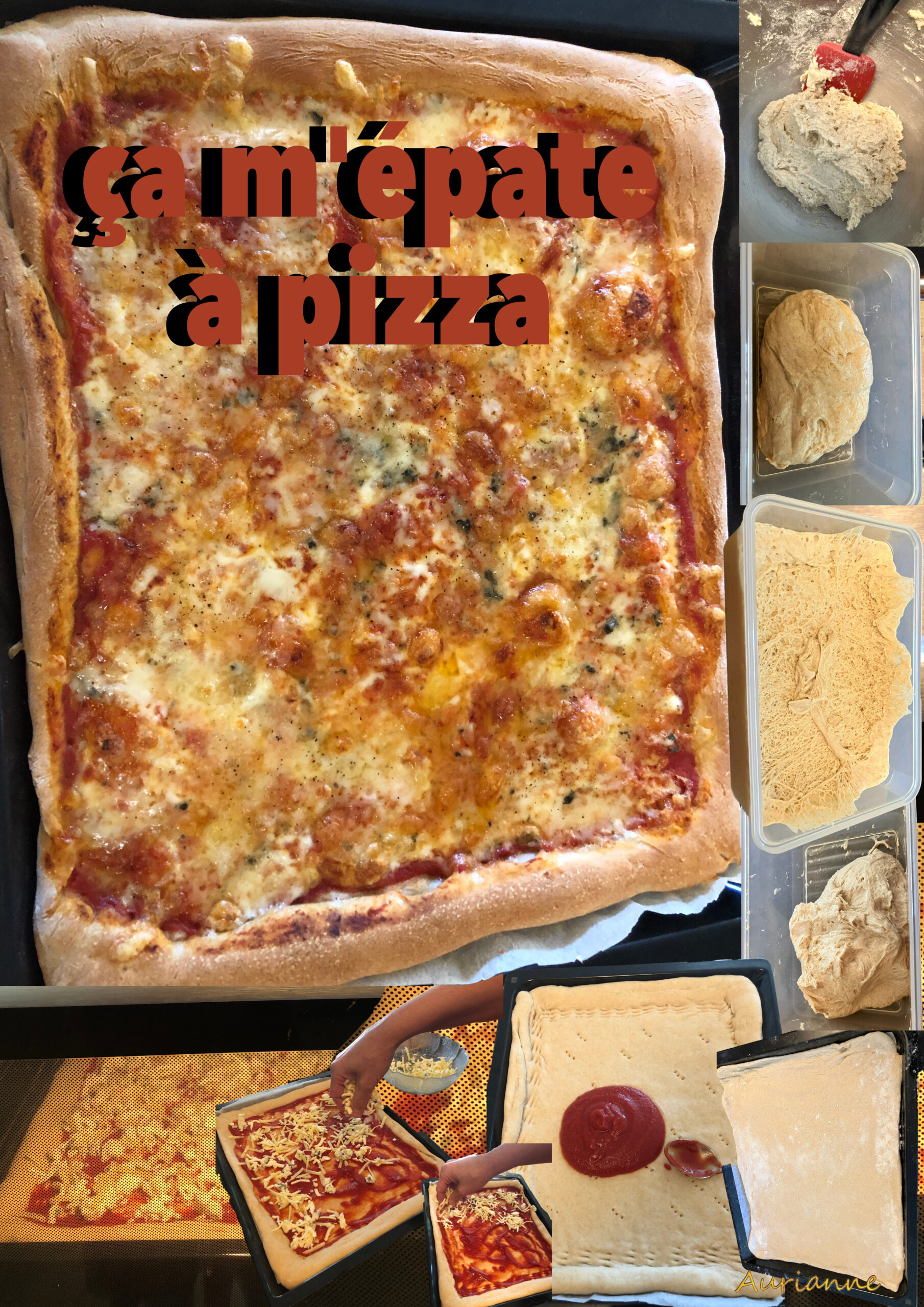
“Ça m’épate” is an expression that means something impresses, amazes, or surprises you, often in an admiring way. “La pâte à pizza” means pizza dough. Don’t buy industrial dough from supermarkets. It doesn’t taste good and is full of preservatives and carbohydrates (sugar). The better the quality of the ingredients, the better the food will…