Uranium is not used responsibly.
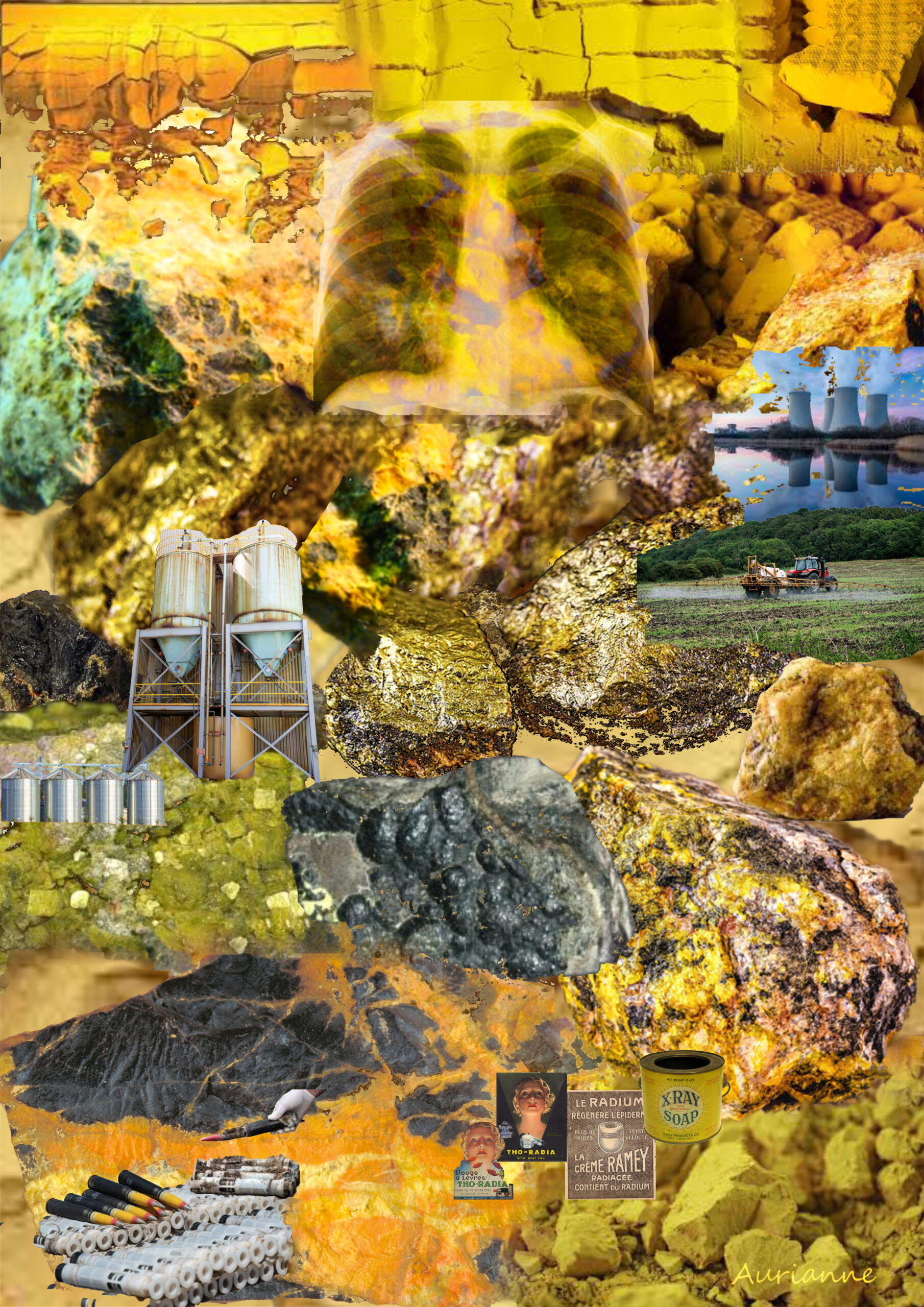
It is used in ammunitions during war. When ammunition explode, uranium is dispersed into dust that is carried by the wind or spreads into waterways. We are all polluted by wars, even those far away.
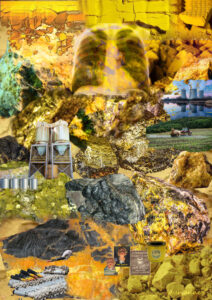
It is used in agriculture to sterilize crops. Farmers are the first victims because they are the most exposed. In large silos, uranium is used to prevent wheat from rotting. Accidents always happen, dispersing the dust. It would be better to have small-scale, sustainable agriculture that can be managed without chemicals, even if it means using more labor.
It is used to generate electricity in nuclear power plants, which produces waste that is buried under layers of concrete that will crack within fifty years. In addition, nuclear power plants are being used for longer than it has been made for or built in earthquake-prone areas, even at the risk of accidents. For example, Fukushima was built on a seismic fault line.
In the 19th and 20th centuries, beauty products and orange paints for wallpaper were made with radioactive substances such as uranium, radium, and cesium. Scientists have proven that these substances are harmful.
Medical imaging and space exploration seem to be the only areas where uranium is used reasonably.
Nuclear deaths are not counted accurately because there is no way to link exposure to uranium with a disease that occurs fifty years later. There is no way to conduct epidemiological studies.
But science is clear: exposure to uranium dust causes cancer and birth defects. Uranium dust lodges in the lungs and irradiates the rest of the body and the surrounding environment.
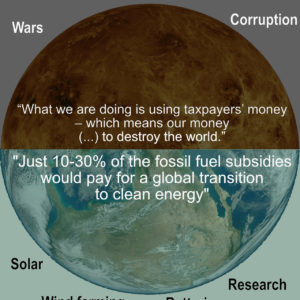
With all the money spent on handling uranium (procedures, paperwork, construction of nuclear power plants, intermediaries, wars to maintain access to uranium, etc.), we could easily finance alternatives: non-radioactive metals for weapons, renewable energies, non-industrial agriculture.
Translated with DeepL