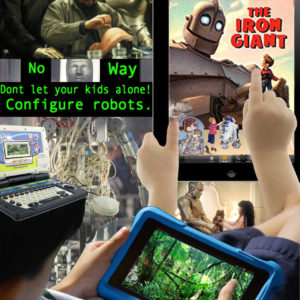
Robotnik means ‘worker’ in Polish and robotník means ‘worker’ in Czech/Slovak.
The issue of robots forces us to think about human labor, because human labor is becoming less necessary thanks to machines. We need to support the work of machines so that humans can survive without doing this work. If machines replace human labor, these humans must be able to survive by doing something else. What do we call work?
The 1944 Declaration of Philadelphia, among other things, calls for everyone to be able to make a decent living without having to do the work now done by machines. Humans must be able to choose their work. “The essence of human work is our ability to bring the images that inhabit us into reality.”
ILO Constitution – Philadelphia Declaration: https://normlex.ilo.org/dyn/nrmlx_en/f?p=1000:62:0::NO:62:P62_LIST_ENTRIE_ID:2453907:NO#declaration
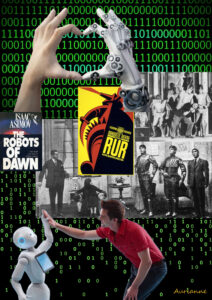
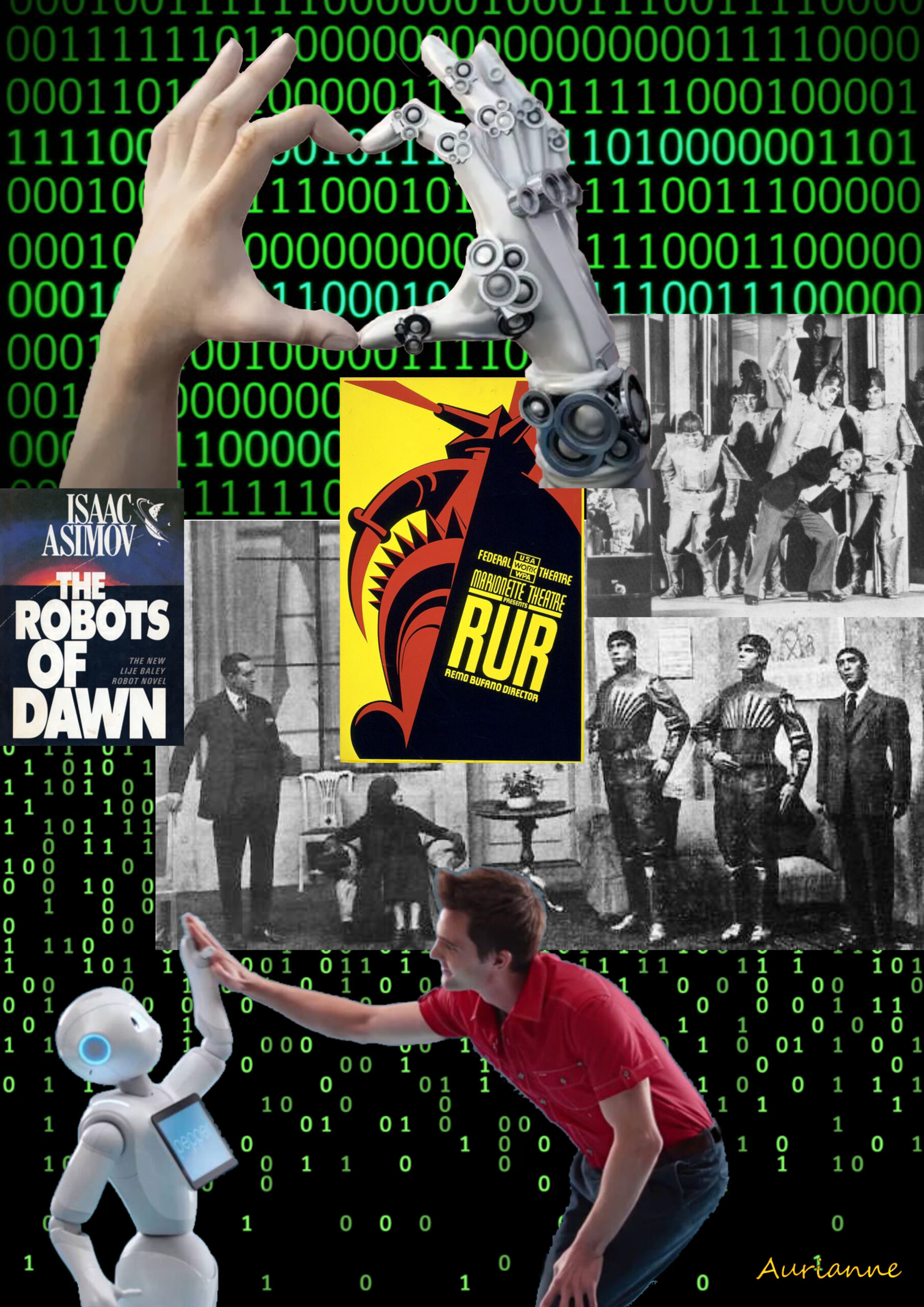
As early as 1920, people imagined slave robots replacing humans to perform menial tasks, work that was undesirable, with humans rebelling because they felt they were being replaced. At the end of the First World War, men were at the front and the economy was able to function normally without them thanks to mechanization and automation. There was anxiety about losing one’s livelihood and dignity.
R.U.R. – Rossumovi Univerzální Roboti – Wikipedia: https://en.wikipedia.org/wiki/R.U.R.
Isaac Asimov was the first to imagine robots in a positive light. Most problems related to robots are human problems: humanity can organize itself differently thanks to robots. The dignity of paid work in order to buy one’s livelihood had only existed for a century. The Greeks lived off the labor of slaves and devoted themselves to art, politics, and philosophy. They did not sell their time in exchange for money. Robots could replace slaves, which would avoid ethical issues. In fact, slavery became illegal at the same time that machines were developed. We can survive without performing the most difficult and least rewarding tasks, which are carried out by robots. Humans can then devote themselves to other things, provided they can survive and be appreciated without this work.
Robot series – Isaac Asimov – Wikipedia: https://en.wikipedia.org/wiki/Robot_series
Aristeia is a Greek concept that promotes the idea of doing things wholeheartedly, doing one’s best. It is the opposite of wage work, which requires only that set objectives be achieved, no more and no less. Wage work promotes efficiency, while aristeia promotes doing one’s best. Machines allow artisans to free themselves from the most standardized tasks so they can focus on improving their products while remaining competitive.
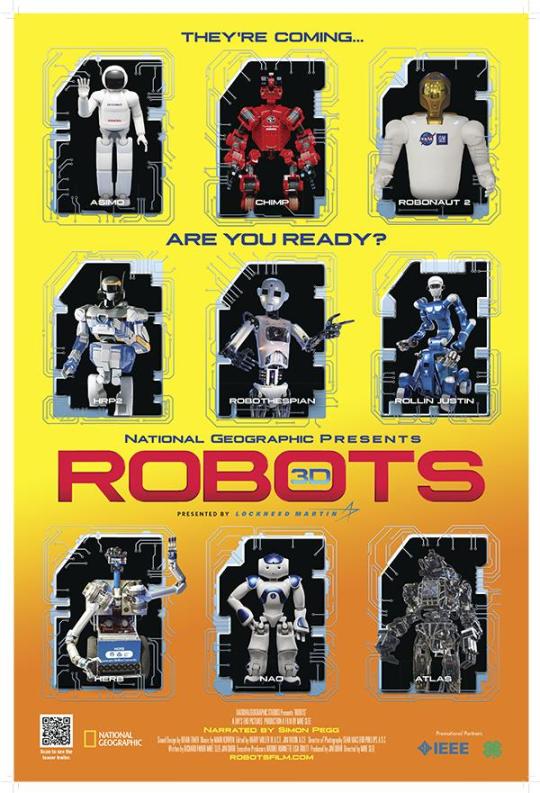
Robots (2015) – IMDb: https://m.imdb.com/title/tt4594900/
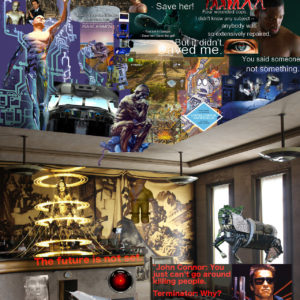
There is a fear that robots and machines will harm humans. There is a danger in entrusting our existence to a different form of intelligence. Machines are not humans and have no conscience. We must place more trust in humans than in machines, robots, or artificial intelligence. We must not treat robots like humans.
Les robots vont dominer le monde – Squeezie: https://youtu.be/HPM5FsypbM0?si=_sxxsMnVy04B1a1C
AI and the paradox of trust – Yuval Noah Harari: https://youtu.be/8GaW36EfidI?si=A6ZD6PWylrybbW9e
Kraftwerk – The Robots (Official Video): https://youtu.be/D_8Pma1vHmw?si=sgkN3JgSbWOG7mNl
Translated with DeepL.com